I was considering the same thing, it has to be the check valve since I replaced all hoses and clamps so I know there isn’t a leak anywhere else. Plus the original hose doesn’t have any release valve right?
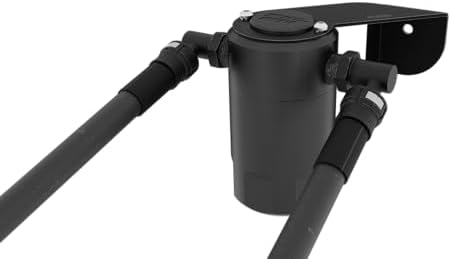
From my personal experience with testing, that cel that others are getting is from flooring the gas pedal when leaving from a dead stop or flooring it in a rpm range that’s about 1500-2000rpm and allowing the truck to shift through the gears at full open throttle. I believe this happens because there is a high volume of pressure that rushes through the catch can system and bypasses the check valve I have in place.
This code will Not put your truck into limp mode and it can easily be cleared with a scanner.
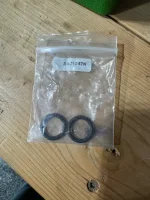
Been too busy to install again. But I did happen to find 2 rubber O-rings in the box but they are not on the instructions at all. Any idea where they go? I’ll provide a picture. Only place I can think is on the hardline to catch can?
Been too busy to install again. But I did happen to find 2 rubber O-rings in the box but they are not on the instructions at all. Any idea where they go? I’ll provide a picture. Only place I can think is on the hardline to catch can?
Those can be used “if needed” on the male fitting that goes from the catch can to the vent hose or on the male AN fittings on the catch can (in and out fittings). All three of those fittings should have teflon tape applied on the threads that go into the catch can to prevent air and fluid from escaping from between. However, if you feel that air or fluid is leaking from between, then remove those fittings and place those o rings in place of the teflon tape.
Those can be used “if needed” on the male fitting that goes from the catch can to the vent hose or on the male AN fittings on the catch can (in and out fittings). All three of those fittings should have teflon tape applied on the threads that go into the catch can to prevent air and fluid from escaping from between. However, if you feel that air or fluid is leaking from between, then remove those fittings and place those o rings in place of the teflon tape.