I spend a lot of time on the truck and jeep forums, and I’ve learned a lot from this community and the others, but the one topic that never produces meaningful consensus is tire reviews.
Tires are like boat hulls. Every design change involves a trade. Want improved wear without changing the tread pattern? That’s likely to mean a harder rubber compound, and that’s likely to mean less traction on the road. Want better traction in soft mud? Then you’ll need an open-lug pattern that digs and clears easily — but that will trade traction on pavement, and particularly icy pavement. Want super quiet tires that optimize performance on pavement, then you’re going to give up traction in the greasy stuff.
In my experience, internet opinions are heavily influenced by where people live, how they use their trucks, how much experience they have, and how they balance appearance and functionality. People who make it home in a snow storm will think their tires are great in snow, even if they weren’t particularly challenged by it, or it was particularly sticky snow. Also, although this might sound/seem stupid, a huge proportion of people buy tires based on looks…
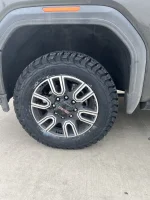
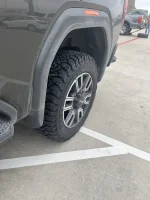
I’ve had multiple sets of Toyo MTs on Jeeps and HD trucks. They wear great, carry weight great, dig mud pretty well, perform okay on rocks, and make little noise compared to other MTs with similarly aggressive tread. They’re also heavy, and loud compared to most all-position options, and they’re terrible on ice.
Want a tire that’s super quiet, wears well, and has good traction on packed snow and ice? Unless you’re going to run studs, you’ll need an all-position tire with a tighter tread pattern. KO2s are very good. My Toyo MTs would not make it up the first 30 yards of my driveway in the winter, even with a heavy diesel, a heavy tool box in the back, all four tires spinning, and a 20 mph run at it. Running Toyo MTs on sheet ice was like trying to run on polished concrete wearing football cleats. (Tennis sneakers work better for that, but they’re not worth a crap on a muddy football field, right?) I drove my truck to the tire store, bought a set of studded Duratracs, and easily drove up our driveway without a slip. My wife’s jeep made the same trip running BFG KO2s with a little more slippage, but no problem.
On the other hand, I ran KOs on two heavy F-350 diesels. They are terrible in mud, because the pattern is too tight and they don’t dig and clear well. I also had two major butt-pucker events when I hit standing water on the interstate at highway speeds. On both occasions my heavy diesel truck hydroplaned for long enough to pucker my but — because the KO’s didn’t evacuate water well. ((Running 35x12.50x16.5s). That never happened with the Toyos MTs or Duratracs, because the open tread patterns on both evacuate the water between the road and tire.
I live in the mountainous northwest where we get a lot of rain, mud, snow, and ice. For me and my uses, the best combination has been studded Duratracs in the winter (no longer made after 2024) and BFG KO2s in the summer. I have no experience with the KO3s, but tires are definitely improving with time.
The best overall assessment of relative tire performance I’ve found is the summary scoring charts published by huge tire retailers that sell many brands. At least they’re based on thousands of customer reviews over millions of miles. Those charts are still influenced by where most of those folks live and drive, of course, but at least the wear information is helpful and the influence of one-off freak incidents is reduced. On internet forums you’re equally likely to get a great review from a guy who has driven only 2,000 miles of highway, or a guy who had a sidewall failure due to under-inflated tires creating a pinch in ledge-rock… or even a guy who based his terrible wet traction assessment on a tire slip in the first rain after two months of summer sun. (In the northwest, we often have five or seven weeks of dry sun in the summer. The first rain of fall always produces LOTS of crashes, because when the summer’s accumulation of road oil is mixed with the first rain the pavement becomes as slick as ice. The pavement washes clear after a day or two of rain and traffic, but anything and everything will spin an hour into that first rain.)
I’ll see if I can find links to TireRack or Discount Tire summary tables and post them below.